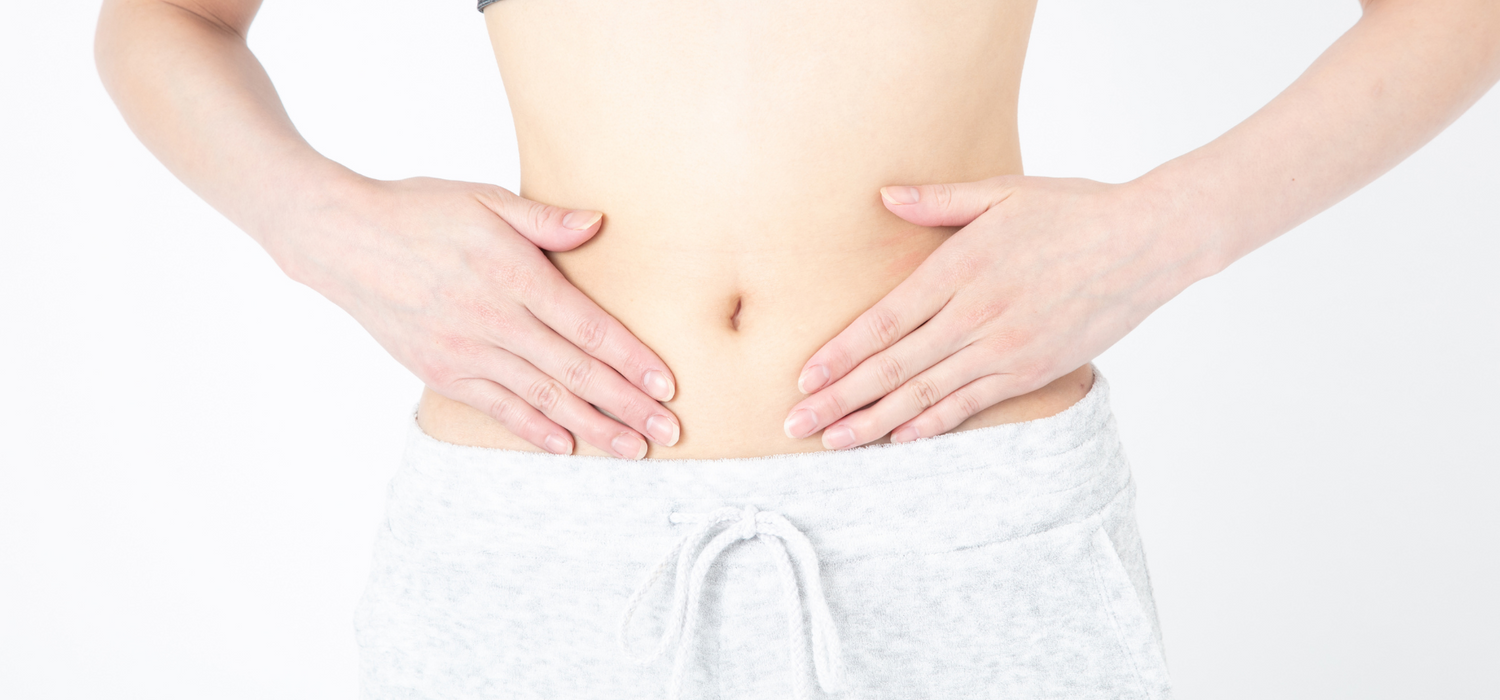
You guys reading this are more likely than most to be pretty astute when it comes to the importance of gut health and why we need to take care of our glorious gut microbes. But just in case you need a mini reminder here’s a few reasons why…
The gut houses trillions of bacteria that equate to just over more than we have human cells in the body, which by numbers alone makes them a force to be reckoned with. This army of microbes manages everything from obvious digestion and absorption of nutrients through to the immune system as well as having a strong relationship with the brain, impacting mood and other cognitive processes. That’s really just scratching the surface when it comes to the wondrous amount of processes in the body that the gut influences. Suffice to say what happens in the gut doesn’t just stay in the gut.
It is easy to get bamboozled with the plethora of gut info out there that even those of us more versed on how to support gut health can get lost in the complicated terminology and general rhetoric. This blog is therefore aimed to help you somewhat cut through that and bring it back to basics. It will give you some simplified tips to implement alongside your morning shot of SYMPROVE to help keep your gut happy and healthy.
EAT MORE VEGGIES – you might think this somewhat of an obvious point but having plenty of veggies in the diet ensures sufficient fibre that helps to keep the gut moving along nicely. It is fibre that also acts as an energy source for our microbes, giving them a plentiful feast so that they can produce substances such as butyrate that is crucial for the immune system and managing inflammation. Some of the more potent ‘feeding’ fibre sources are known as prebiotics. These include artichokes (particularly Jerusalem), under-ripe bananas (green-ish ones), chicory, garlic, onion and leeks. If you are someone who suffers with IBS then you might want to go easy on these foods or totally avoid until you have your gut more settled but really when taking out ANY foods or food groups you should seek the advice of a trained professional before eliminating. The other bonus on having more plants in the diet is the antioxidant polyphenol compounds. These are substances that predominantly give the plants their vibrant hues and help to ‘feed’ our gut bugs. If you are buying organic you generally get more bang for your buck so that’s also worth bearing in mind.
FLAVOUR WITH FERMENTS – fermented foods have been very much on trend in the food, nutrition and wellness sphere for a bit of time now. Growing up in a Polish household I’m no stranger to sauerkraut being given with (almost) every meal! Fermented foods are essentially those foods that contain bacteria produced during the fermentation process itself, hence why some people refer to them as ‘probiotic’ foods. Anecdotally, our ancestors used fermented foods as their ‘probiotics’ to help support gut health and whilst clinical research studies are relatively scarce we might be wise to take some advice from our elders and include them alongside a good probiotic supplement like SYMPROVE. Hippocrates was one of the first to use cultured dairy like yogurt and cheese with his patients and he famously said “all disease begins in the gut”. Going back to my roots, fermented vegetables such as sauerkraut (cabbage) as well as spicy varieties such as kimchi have been used in cultures for millennia. Miso paste and tempeh that often feature in Asian cuisine derive from fermented soya beans and can be used in delicious dressings/marinades in the case of miso or tempeh as a ‘meaty’ plant-based alternative. Kombucha, an effervescent green tea, is a nice way to start your foray into fermentation, or even a flavoured water kefir can be a gentle way to start introducing if you are a true novice.
STRESS LESS – with amounting pressures from work, family, friends and finances our stress pot can boil over pretty damn quickly. We often think of stress just as a mind thing and certainly there is that aspect but there is also a very strong brain-gut connection that means your gut also faces the brunt of this onslaught too. Stress doesn’t just come in the form of the external variables but also from some of the foods and drinks we consume. Things like alcohol, caffeine and sugar in excess can have a negative impact on our mind and our gut so it would be ‘mindful’ to say the least to enjoy these in moderation. Stress management and helping the body to go into the parasympathetic aka ‘rest + digest’ mode is a fundamental part of supporting gut health and digestion too. This doesn’t mean to say it needs to be humming on a cushion or indulging in far-flung expensive retreats but day to day practising some level of stress management can have marked positive effects. For each and every one of us that can be something entirely different but anything that lets your mind wander and not be ruminating about general ‘stuff’. This could be walking, reading, breathing, yoga, pilates or meditation. Or simply calling a friend or watching a good movie and belly laughing. A good chuckle is said to release lots of those feel good chemicals that have a positive effect on gut health too.
EAT WELL – how many of us wolf down our food and barely even look at the plate? We can often be guilty of this, either eating too quickly and/or grabbing food on the go. Believe it or not digestion starts in the mouth and we do have teeth there for a good reason. Chewing thoroughly allows processes in the gut further down to work a lot more efficiently as its not having to deal with food that should have been broken down much earlier up the chain. It might seem weird to start with but try to get around 30 chews per bite before swallowing. Soon it will just become habit. The other glorious part of this is that often you find that the flavour and textures of your food are enhanced and you can tune into when you are genuinely hungry. The other bonus is that symptoms such as bloating and gas can be alleviated with the simple act of sitting and eating with time and intent.
REST + DIGEST – giving your gut some adequate resting time is important to help the gut function optimally. Rather than constantly grazing and over- snacking try to stick with three meals per day as there are different microbes that help us absorb nutrients and those that come in for the ‘clean-up operation’ so to speak. Aim for a break of 4-5 hours between meals and a 12 hour fast overnight as a general guide. Eating earlier in the evening and avoiding the late-night snacks can also help with better digestion. Like your mind is tired so is your gut so let it get some decent rest time too.
MAX YOUR ZZZs – and on that note getting quality and quantity shut eye also has a significant effect on your gut too. Research studies show that poor sleep (even just one night of tossing and turning) can create a negative shift in your microbiome. Yes, your gut microbes can suffer from insomnia just as much as you can. To help create some proper pillow time then try to create a relaxing pre-bedtime ritual. Shutting off the blue light devices at least an hour before you want to doze off is a must. Then it might be doing a few light yoga or stretching moves, running a bath, reading a book or magazine, lighting some candles and listening to some relaxing music or simple breathing exercises. You and your gut will wake up in the morning refreshed, ready and raring to go!