

What’s the fuss about fibre?
If you’ve read my previous columns on gut health, you’ll probably have heard me bigging up dietary fibre. This month I’m taking a closer look at why this nutrient is so important for your digestive wellbeing.
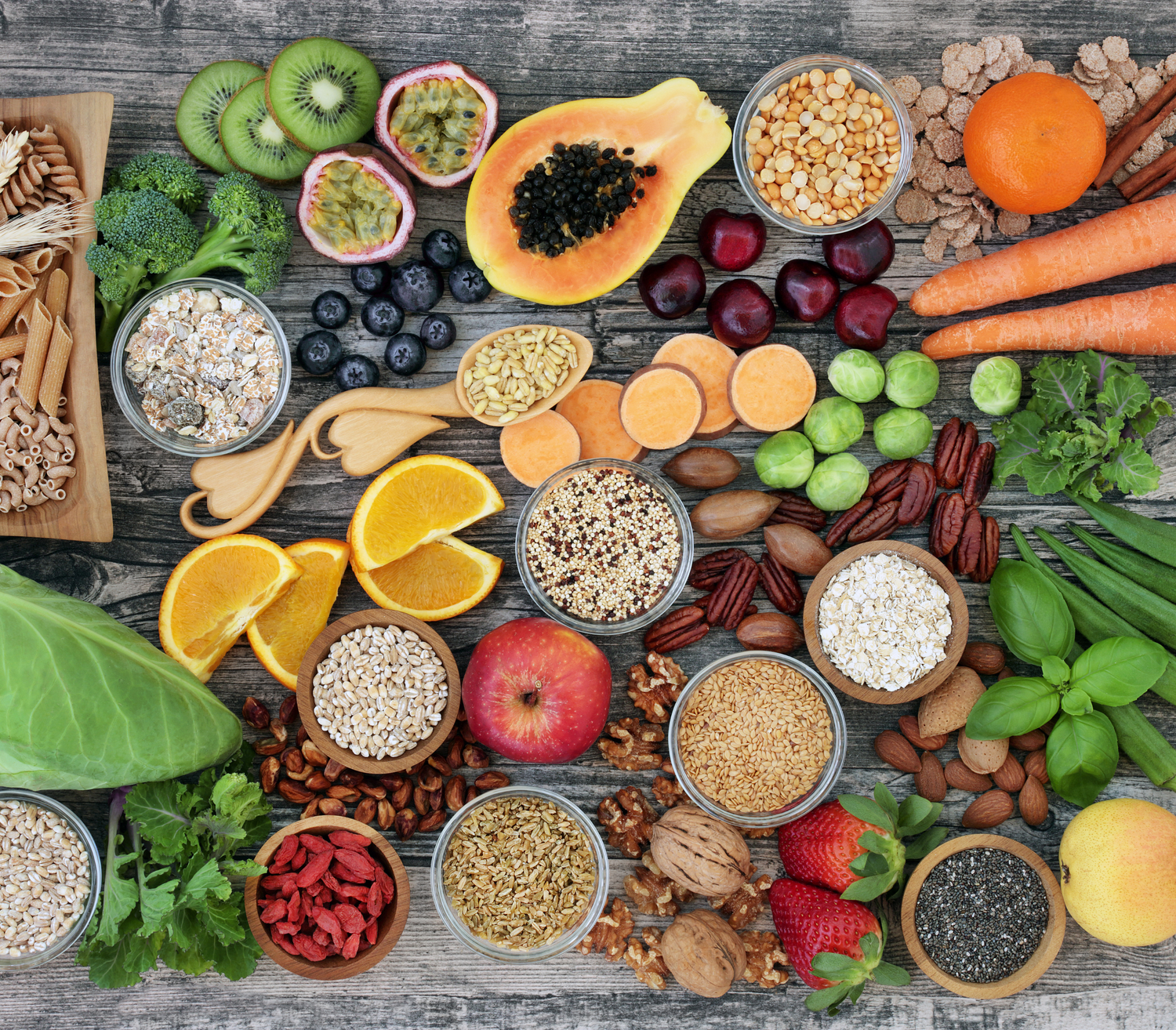
Fibre is a type of carbohydrate found in the cell walls and tissues of plant foods like wholegrains, fruits, vegetables, pulses, nuts and seeds.
It is a complex matrix of many carbohydrate units joined together, but unlike other carbohydrates, fibre isn’t digested or absorbed when consumed, because we don’t possess the digestive enzymes (special proteins) to break it down. This means it passes through the small intestine (the long, wiggly tube underneath your stomach through which nutrients are absorbed) and lands in the large intestine, undigested.
Given that we’re unable to extract any nutrients from fibre as it passes through the gut, it’s reasonable to wonder what the point in eating it is? The truth is that although fibre isn’t feeding you - it is feeding another population in your body - and that’s the one residing in your gut.
Your gut garden
Adjoined to the end of the small intestine, the large intestine (also known as the colon) is home to trillions of microbes, which include bacteria, yeasts and fungi. Collectively, these microbes and the genes they instruct are known as your microbiome, and they form an important part of your immune system.
Taking up real estate in the large intestine means that these microbes have a fairly limited menu - essentially anything that hasn’t been absorbed in the small intestine, which – yes, you guessed it - means fibre, and small amounts of other nutrients which may escape digestion.
Luckily, the microbes in your gut can break down and ferment fibre - and this provides them with energy. In fact, your gut microbes thrive on fibre - consider it a sort of fertiliser which keeps them well fed and happy. And the benefits don’t stop there; as a byproduct of transforming fibre into energy, your microbes produce compounds known as short chain fatty acids (or SCFAs). These SCFAs feed the cells lining your gut and exert anti-inflammatory effects, and may even help protect against cancer.
A protective role
The other benefit of a fibre-rich diet is that it helps to move waste through your digestive system - you’ve probably heard that eating plenty of fibre helps ‘keep you regular’ (i.e. a frequent poo habit). This is undoubtedly a good thing, and it also reduces the amount of time that potentially harmful substances stay in contact with the lining of your gut. It is for this reason that a fibre-rich diet has been linked to a lower risk of bowel cancer.
In fact, experts believe diets high in fibre may reduce the risk of a wide range of diseases, including bowel cancer, type 2 diabetes, heart disease and stroke1. For this reason, eating a high fibre diet is a smart way to not only look after your digestive health, but also your body as a whole.
How much?
The latest guidelines recommend that adults aim for around 30 grams of fibre each day* - but most of us fall short of this target. In fact, according to surveys of UK dietary habits, men need to increase their fibre intake by around 50% and women by 75% to meet the target1.
One of the misonceptions around fibre is that it’s easy meet the target if you’re consuming lots of fruit and vegetables. However, research by the British Nutrition Foundation found that eating 5 A DAY (two fruit and three veg) amounted to just 9.8 grams of fibre - about a third of the recommended intake.
That doesn’t mean fruit and vegetables aren’t a good source – but they do vary in fibre content. Dried fruits like figs, apricots and prunes provide more fibre per portion than fresh, and some veggies - like peas - contain five times as much fibre per serving (4.4g) than less fibrous veg, like canned tomatoes (0.8g).
Attention all grains
The bottom line is that eating lots of fruit and veg isn’t sufficient to meet fibre targets - you also need to include some high fibre wholegrains like wholewheat bread, pasta or breakfast cereal. Three servings a day will help you get towards the 30 gram target - but once again, some choices are richer in fibre than others.
Per 80 gram (dry weight) serving, brown rice provides just 2.3 grams of fibre - whereas wholemeal spaghetti pasta will score you a hefty 9 grams. Checking the back of the label can help you identify the best choices - for a product to be ‘high fibre’ is needs to contain at least 6g of fibre per 100g.
Aside from wholegrains, my personal secret weapon is pulses - they’re an absolutely brilliant source of fibre and they’re wallet friendly too. Half a can of black beans will give you around 10 grams of fibre, a can of lentils added to a veggie curry or a bolognese will add 12 grams of fibre. They’re also great added to salads, whizzed into a dip or stirred into soup. For more tips, see here.
A final word
When increasing your fibre intake remember to do so slowly, as your gut will need time to adjust. Switching from a low to high fibre diet in one swoop is likely to result in lots of gas and discomfort and is a surefire way to put you off a change which has lots of benefits in the long term.
Instead, start with one change - for example switching to oats at breakfast or adding an extra piece of fruit, and then wait a few days before making the next change. Drinking plenty of water is important too, as this facilitates the movement of fibre through the gut.
It’s important to note that the recommendation to consume 30 grams of fibre a day is aimed at healthy adults with no existing gut conditions. If you have IBS or another gut condition like Crohn’s, you may find that you need to eat less fibre - or different types of fibre - in order to manage your symptoms. If you need support with this, a registered nutritionist or dietitian can help.
References
1. Hooper B, Spiro A, Stanner S. 30g of fibre a day: An achievable recommendation? Nutr. Bull. 2015;40(2):118-129. doi:10.1111/nbu.12141.
