


November: Week Ten
Hit play on our relaxed cooking playlist
Day 1: Kefir Labneh with Jammy Tomatoes, Carrots, and Za’atar

How does it support my immune health?
Kefir has been linked with immune-modulating effects due to its antioxidant, antimicrobial, and anti-inflammatory properties while colourful Mediterranean veggies such as courgette, and tomatoes are packed with a variety of nutrients needed for an optimal immune system.
Broccoli is part of the cruciferous veggie group which also includes cauliflower, cabbage, and kale. This group is an important one because it contains distinctive sulphur-containing plant chemicals, including glucosinolates. Glucosinolates are almost exclusively found in these veggie types and have been linked with anti-inflammatory and immune-strengthening effects. In fact, studies have shown a lower risk of gut-related cancers with increased consumption.
Day 2: Smoky Enchiladas
How does it support my immune health?
The lentils in this dish are packed with fibre, containing an impressive 8g per half can. Specifically, lentils contain prebiotics – a type of fermentable fibre that acts as ‘food’ for your gut microbiome. In return, your gut microbes release health-promoting compounds into the gut, such as short chain fatty acids (SFCAs).
Tomatoes and tomato products (e.g. tomato puree, tomato juice) are major sources of lycopene – a plant chemical found in highest amounts in the skin and acts as a powerful antioxidant. Lycopene can increase antibody production by specialist immune cells called B cells. Antibodies attach to harmful invaders - such as bacteria and viruses – and neutralise them.
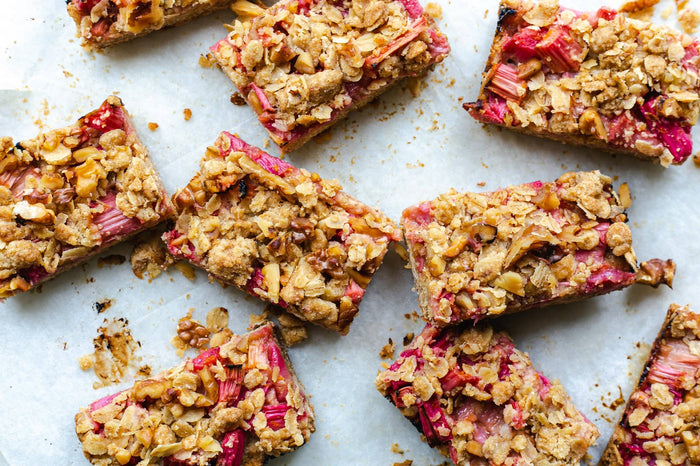
Day 3: Orange and Rhubarb Snack Bars
How does it support my immune health?
Oats are versatile wholegrains that support immune health in different ways. For example, they contain an abundance of nutrients including fibre (such as beta-glucans), copper, iron, selenium, zinc, as well as polyphenols such as ferulic acid and avenanthramides. Collectively, these can bolster defence against several infections, such as the common cold.
Day 4: Courgette Parmesan Breakfast Muffins
How does it support my immune health?
Courgettes are a good source of the carotenoids lutein and zeaxanthin which are known for their have anti-inflammatory and antioxidant effects.
Pumpkin seeds are nutrition powerhouses which offer valuable nutrients that support maintenance of normal immune function, including protein, vitamin E, and selenium.
Eggs are rich in protein which acts as building blocks for all immune cells and antibodies.
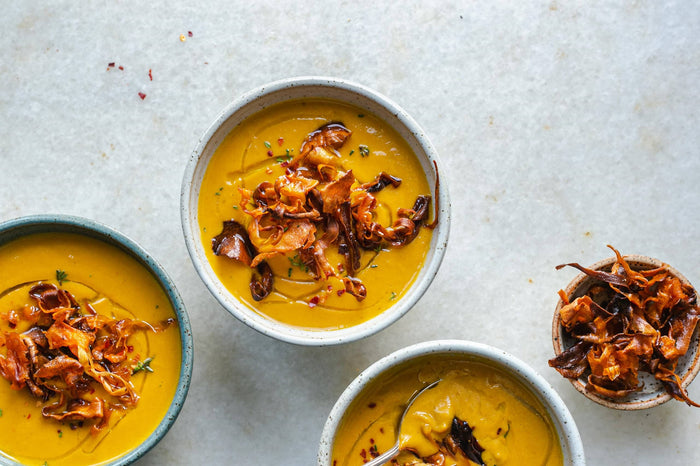
Day 5: Roasted Carrot and Parsnip Soup
How does it support my immune health?
Carrots and parsnips are rich sources of vitamin C – both of which are important for immune health. Vitamin C supports immune health by neutralising harmful compounds (known as free radicals) that are known to damage cells.
Day 6: Clementines Two Ways
How does it support my immune health?
Clementines are rich in vitamin C which supports immune health by neutralising harmful compounds (known as free radicals) that are known to damage cells.
Adding toppings, such as nuts, will also support immune function.
For example, walnuts are rich sources of polyphenols such as flavonoids. In fact, walnuts contain the highest concentrations of polyphenols compared with other tree nuts. Flavonoids have strong anti-inflammatory effects. Walnuts are a good source of vitamin E which have potent anti-inflammatory effects and is well recognised for its role in immune function (especially specialist T cells) and helping to reduce the risk of infections.
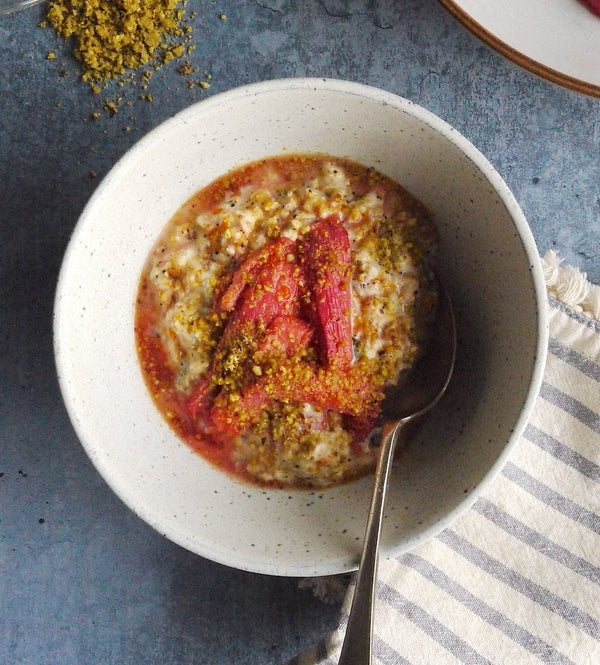
Day 7: Roasted Rhubarb and Pistachio Bircher
How does it support my immune health?
Oats are versatile wholegrains that support immune health in different ways. For example, they contain an abundance of nutrients including fibre (such as beta-glucans), copper, iron, selenium, zinc, as well as polyphenols such as ferulic acid and avenanthramides. Collectively, these can bolster defence against several infections, such as the common cold.
Key ingredients in this Bircher include different types of seeds (e.g. sunflower seeds, pumpkin seeds, chia seeds). Seeds are nutrition powerhouses which offer valuable nutrients that support maintenance of normal immune function, including protein, vitamin E, and selenium.
Chia seeds are packed full of nutrients, including omega 3 fatty acids (specifically alpha-linolenic acid; ALA), fibre (around 10g fibre per two tablespoons), and plant chemicals (such as caffeic acid, quercetin, myricetin, kaempferol and chlorogenic acid) - all of which support the immune system to function at its best.
Hungry for more? Dig into the next batch of gut-immune-supportive recipes
Discover more tips to help support your gut-immune connection.
